Why Your Website Not Showing on Google
By Admin - May 30, 2025
Many business owners assume that once a website goes live, it should automatically appear on Google. In reality, that is not how search works. Google first needs to discover your website, crawl the pages, understand the content, index the pages and decide whether they are useful enough to rank for relevant searches. Google’s own documentation explains that most pages in Search are found automatically by web crawlers, but it also states that Google does not guarantee that it will crawl, index or serve every page. (Google for Developers)
That means your website can be live but still invisible in search results. It can also be indexed but not ranked for the keywords you care about. In some cases, Google may understand your brand name but not your service pages. In others, your website may be blocked, too thin, too slow, poorly structured or not trusted enough to compete.
In this guide, we explain the most common reasons why your website is not showing on Google, how each issue affects search visibility, what you can check, and how BlackRevo helps Malaysian businesses improve indexing, content relevance, technical SEO, local SEO, authority and AI search readiness.
Quick Answer: Why is My Website Not Showing on Google?
Your website may not be showing on Google because it is not indexed, blocked from crawling, too new, poorly optimised, missing relevant keywords, too slow, lacking authority or not matching what users are searching for.
In simple terms, the issue usually falls into one of these areas:
-
Google has not indexed your pages yet
-
Your website is blocked by noindex or robots.txt
-
Your content does not match search intent
-
Your service pages are too thin or unclear
-
Your website is slow or difficult to use on mobile
-
Your site has weak backlinks or authority
-
Your local SEO signals are missing
-
Your website is not structured for AI search, AEO or GEO
A proper SEO audit should identify which issue is holding your website back. For some websites, the problem is technical. For others, the issue is content, authority, local SEO or poor page structure.
Insights from an SEO Agency in Malaysia: Why Some Websites Struggle to Appear on Google
A website does not appear on Google simply because it exists. Google Search works through several stages: discovery, crawling, indexing and ranking. First, Google must discover the page. Then Googlebot crawls the page and processes its content. If the page is suitable, Google may index it. Only after that can the page be served in search results for relevant queries. (Google for Developers)
This is why a website can face different types of visibility problems. A page that is not indexed cannot appear in Google Search at all. A page that is indexed but poorly optimised may appear only for your brand name. A page that is technically healthy but weak in content may still fail to rank for competitive service keywords.
For Malaysian businesses, this matters because customers often search before they enquire. They may look for an SEO agency in Malaysia, a web design company in Kuala Lumpur, a clinic near them, a legal firm in Petaling Jaya or a supplier in Selangor. If your website is not structured clearly for those searches, your competitors may capture that demand first.
As an SEO agency in Malaysia, BlackRevo reviews whether Google can discover, crawl, index, understand and rank your website for the right commercial searches. The goal is not only to get a page online, but to make sure it has the right foundation to be found.
1. Your Website Has Not Been Indexed by Google
If your website is not indexed, it cannot appear in Google’s search results. This is one of the first things to check when a new website or important service page does not show up.
What Does Google “Not Indexed” Mean?
A page is not indexed when Google has not added it to its search database. This can happen when the page is new, difficult to discover, blocked from indexing or considered too weak to include.
For example, a newly launched website may not appear immediately because Google has not crawled it yet. A service page may also be missing from search if it is blocked by a noindex tag or if there are no internal links pointing to it.
Google’s documentation explains that a noindex rule can block Google from indexing a page, which means it will not appear in Search results. (Google for Developers) Robots.txt can also control which URLs crawlers can access, although Google notes that robots.txt is mainly used to manage crawler access and is not the right method to keep a page out of Google. (Google for Developers)
Common Reasons Why My Website Missing From Google Search?
Your website or page may not be appeared in Google Search because:
-
The website is too new
-
The sitemap has not been submitted
-
The page is blocked by a noindex tag
-
Robots.txt prevents crawling
-
Google cannot reach the page
-
The page has crawl errors
-
The content is too thin or duplicated
-
The page is not linked from anywhere else on the website
-
The site has major technical SEO issues
Indexing problems are common after redesigns, migrations and new website launches. A developer may accidentally leave noindex on important pages, or a staging setting may carry over to the live website. This is why SEO checks should happen before and after launch.
How to Check If Your Website Is Indexed by Google
A simple first check is to search:
site:yourdomain.com
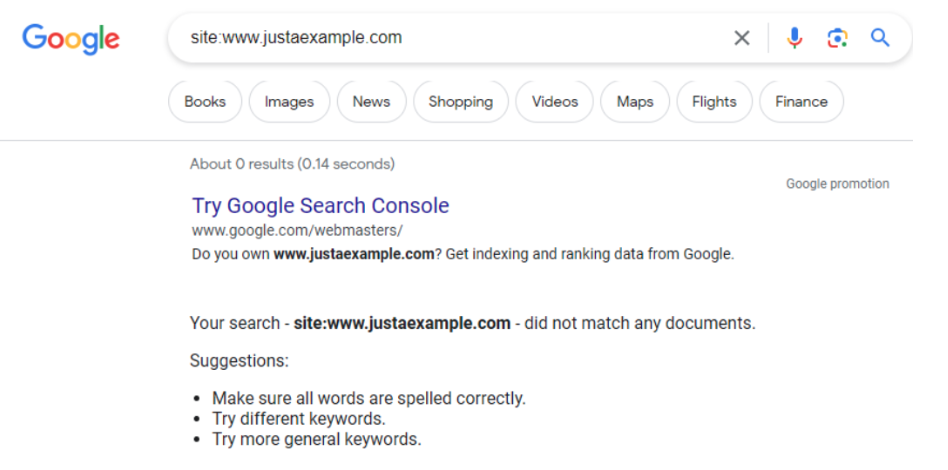
This can show whether Google has indexed pages from your domain. However, the more reliable method is Google Search Console. Use the URL Inspection tool to check whether a specific page is indexed, whether Google can crawl it and whether any indexing issue is reported.
You should also review:
-
Sitemap submission status
-
Indexing reports
-
Robots.txt file
-
Meta robots tags
-
Canonical tags
-
Internal links to important pages
2. Your Website Is Not Speaking the Language of Your Audience or Google
A website can look professional but still fail to explain clearly what the business actually does. This is one of the most common SEO problems.
What Does This Means
Many websites use broad marketing language such as “we help businesses grow”, “we provide innovative solutions” or “we are your trusted partner”. These phrases may sound polished, but they do not always tell Google or customers what service the business offers.
For example, if a company provides accounting services in Kuala Lumpur, the page should make that clear. If the content only says “business advisory solutions”, Google may not strongly associate the page with searches such as “accounting firm Kuala Lumpur” or “corporate tax services Malaysia”.
The same issue happens in many industries. A web design company may use too much creative language without saying “website design services”. A clinic may describe “wellness solutions” without naming treatments. A B2B supplier may talk about “industrial excellence” without explaining product categories.
Why This Affects Your Website Visibility on Google
Google’s ranking systems look for relevant and useful results that match the search query. If your page does not use clear service terms, structured headings and helpful explanations, Google has weaker signals to understand where the page belongs. (Google for Developers)
Common keyword and messaging problems include:
-
Generic headlines
-
No clear service keywords
-
Missing location signals
-
Weak service descriptions
-
No FAQs
-
No internal links
-
Vague brand language
-
No pricing, process or comparison content
-
No clear page topic
Good SEO writing does not mean stuffing keywords into every sentence. It means using the language your customers actually use while still sounding natural, professional and helpful.
Your Content Does Not Match Search Intent
Using the right keywords is not enough. Your page also needs to satisfy what the user expects when they search.
What is Search Intent?
Search intent is the reason behind a search query. A user may be trying to learn, compare, buy, enquire or find a local business.
For example, someone searching “website not showing on Google” likely wants causes and fixes. Someone searching “SEO price Malaysia” wants cost information. Someone searching “SEO agency Malaysia” is probably comparing service providers.
|
Search Query |
User Wants |
Correct Page Type |
|
Website not showing on Google |
Causes and fixes |
Educational blog |
|
SEO price Malaysia |
Cost and package explanation |
Pricing guide |
|
SEO agency Malaysia |
Service provider |
SEO service page |
|
best SEO company in Malaysia |
Comparison |
Listicle or buyer guide |
|
web design Kuala Lumpur |
Service provider |
Location-focused service page |
If your page format does not match the user’s intent, it becomes harder to rank. A short blog article may not perform well for a competitive commercial keyword. A sales page may not satisfy a user who is looking for pricing education.
Why Search Intent Matters
Google wants to show content that fulfils people’s needs. In its guidance for AI Search, Google states that content should be unique, helpful and satisfying for readers, especially as users ask longer and more specific questions in AI search experiences. (Google for Developers)
This same principle applies to traditional SEO. A page that answers the search intent clearly is more likely to satisfy users and compete in search.
Common Search Intent Mistakes
Many websites struggle because they:
-
Write a sales page for an informational query
-
Publish a short blog for a competitive commercial keyword
-
Avoid answering price-related searches
-
Do not include service details
-
Do not explain process or benefits
-
Target too many unrelated keywords on one page
-
Write content that is too generic to be useful
Case Study Example: Wrong Page Type Targeting the Keyword
A business created a blog titled “Best Website Design” but wanted to rank for “website design price Malaysia”. The problem was that the content did not match pricing intent. Users wanted cost ranges, package factors, CMS options, ecommerce pricing and maintenance costs.
The fix was to create a dedicated pricing guide instead of trying to force the keyword into a general blog. The new content answered the real question behind the search and became more aligned with what users expected.
Your Website is Slow, Unresponsive or Hard to Navigate
A website that loads slowly, breaks on mobile or confuses visitors can affect both SEO and enquiries.
Why Website Experience Matters SEO
Google’s Core Web Vitals measure real-world user experience for loading performance, interactivity and visual stability. Google recommends that site owners achieve good Core Web Vitals for success with Search and for a better user experience overall. (Google for Developers)
Google’s page experience documentation also explains that good page experience can contribute to success in Search, although it does not guarantee top rankings on its own. (Google for Developers)
This means technical experience should not be ignored. If two pages offer similar value, the one that loads better, works better on mobile and provides a clearer user journey may have an advantage.
Common Website Experience Problems
Common issues include:
-
Slow loading speed
-
Poor mobile layout
-
Buttons too small on mobile
-
Confusing navigation
-
Broken links
-
Heavy images
-
Poor hosting
-
Pop-ups blocking content
-
Weak calls to action
-
Contact forms not working
These issues also affect conversion. A visitor may find your website but leave before enquiring because the page is frustrating to use.
You Have Not Built Enough Authority To Your Website
Even if your website is indexed and well-written, it may still struggle if competitors have stronger authority.
What Does Website Authority Means
Website Authority refers to how credible and trusted your website appears within your industry. It can be supported by backlinks, brand mentions, citations, reviews, case studies, useful content and consistent business information.
A newer website may find it difficult to outrank older competitors because those competitors may have more backlinks, stronger topical coverage, more reviews and better brand recognition.
Why Website Authority Matters Google Ranking
Google’s Search systems use many signals to find useful and relevant results from a large number of pages. Relevance, usefulness, quality and credibility all influence how pages compete. (Google for Developers)
Authority does not mean buying random links. Poor-quality backlinks can create risk and may not support real trust. Strong authority building should focus on relevance, credibility and natural brand growth.
Common Authority Problems
A website may struggle because it has:
-
Few backlinks
-
Low-quality backlinks
-
Weak brand mentions
-
No Google Business Profile
-
Inconsistent business information online
-
Few reviews
-
No case studies or proof
-
Thin website content
-
No supporting blog content
-
No topical authority
Your Website Has Poor Local SEO Signals
For many Malaysian businesses, local SEO is one of the most important visibility areas. If your business serves a specific city, town or service area, Google needs to understand where you are and who you serve.
Why Local SEO Matters for Malaysian Businesses
Many searches are location-driven. Users may search for:
-
SEO agency KL
-
web design Kuala Lumpur
-
dentist near me
-
law firm Petaling Jaya
-
interior designer Selangor
-
restaurant in Bangsar
If your website and Google Business Profile do not provide strong local signals, competitors with clearer local relevance may appear instead.
Common Local SEO Mistakes and How to Fix Them?
Local SEO problems may include:
-
No Google Business Profile
-
Google Business Profile not verified
-
Wrong business category
-
Inconsistent name, address and phone number
-
No location page
-
Weak reviews
-
No local citations
-
Missing local keywords
-
Poor Google Maps visibility
Local SEO is especially important for clinics, restaurants, showrooms, tuition centres, contractors, retail shops, professional services and service-area businesses. A good way to understand these mistakes is to look at the Case Study 1: Local SEO Business Missing From Local Search section below.
Your Website Has No Clear Content Strategy

One or two service pages are often not enough for competitive SEO. Google needs enough useful content to understand your topical relevance, and users need enough information to trust your business.
Why Content Strategy is Playing Important Role
Content strategy helps your website cover important topics across the customer journey. This may include service pages, pricing guides, FAQs, comparison articles, location pages and supporting blog content.
For example, an SEO agency page can be supported by articles about SEO price, SEO packages, technical SEO, local SEO, AEO, GEO, keyword research and Google indexing issues. These supporting topics help build topical relevance and provide internal linking opportunities.
Common Content Strategy Problems
Many websites publish content without a clear plan. Common issues include:
-
Random blog topics
-
No keyword mapping
-
No internal links
-
No pricing content
-
No comparison content
-
No FAQs
-
Thin service pages
-
No content clusters
-
No content review after publishing
A blog calendar alone is not a content strategy. Content should support business goals and strengthen the pages that matter most for enquiries.
How BlackRevo Can Help Your Business
At BlackRevo, we do not treat a website visibility issue as a single SEO problem. If your website is not showing on Google, we first identify where the breakdown happens: discovery, crawling, indexing, ranking, content relevance, authority, local visibility or conversion.
Our approach is built around a diagnose, fix, strengthen and grow SEO strategy.
1. We Diagnose: Find Out Why Google Is Not Showing Your Website
The first step is to understand whether the issue is technical, content-related or authority-related. We review your website through Google Search Console, SEO crawling tools and manual page checks to identify the real reason your website is not appearing properly.
This may include checking:
-
Whether important pages are indexed
-
Whether Google can crawl your website
-
Whether pages are blocked by noindex or robots.txt
-
Whether the sitemap is submitted correctly
-
Whether important service pages are too thin
-
Whether your target keywords are mapped to the right pages
-
Whether your website has slow speed, broken links or duplicate pages
-
Whether your site has enough internal links and authority signals
This step is important because different visibility problems need different fixes. A website with indexing issues needs a different strategy from a website that is indexed but not ranking.
2. We Fix: Resolve the SEO Barriers Holding the Website Back
Once we identify the issue, BlackRevo prioritises the fixes based on SEO impact. The goal is not to make random changes, but to remove the barriers preventing Google from properly understanding and ranking the website.
Common fixes may include:
-
Submitting or updating the sitemap
-
Requesting indexing for important pages
-
Fixing noindex, canonical or robots.txt issues
-
Improving internal linking between important pages
-
Rewriting weak service page content
-
Optimising meta titles, descriptions and headings
-
Improving page speed and mobile usability
-
Fixing broken links and redirect issues
-
Adding clearer CTAs and enquiry paths
-
Improving Google Business Profile and local SEO signals
If technical implementation is needed, BlackRevo also has an IT team that can assist with website fixes based on the required scope.
3. We Strengthen: Rebuild Content Around Search Intent
Many websites fail to show on Google because the content does not match how customers search. A page may look professional, but if it does not clearly explain the service, location, problem, solution and next step, Google may not see it as the best result.
BlackRevo strengthens your website content by mapping each target keyword to the right page type.
For example:
|
Search Intent |
Correct SEO Asset |
|
“SEO agency Malaysia” |
SEO service page |
|
“How much does SEO cost in Malaysia?” |
SEO pricing guide |
|
“Why is my website not showing on Google?” |
Educational blog article |
|
“Web design Kuala Lumpur” |
Location-focused service page |
|
“Best SEO company in Malaysia” |
Comparison or buyer guide |
Our keyword research team reviews search volume, competition, relevance and buyer intent before proposing keyword direction to the client. This keeps the SEO strategy focused, transparent and aligned before implementation begins.
4. We Grow: Build Authority, Local Signals and AI Search Readiness
After the foundation is fixed, the next stage is growth. This is where BlackRevo helps strengthen the website’s visibility beyond basic SEO.
This may include:
-
Building topical authority through supporting blog content
-
Improving internal links to key service pages
-
Creating AEO-ready FAQ sections
-
Developing GEO-focused guides for AI search visibility
-
Supporting link building and outreach
-
Reviewing competitor backlink gaps
-
Strengthening Google Business Profile visibility
-
Improving local SEO signals
-
Adding structured content that helps Google and AI systems understand the brand better
This matters because modern SEO is no longer only about ranking one page. Your website needs a stronger ecosystem of technical SEO, content relevance, authority, local visibility and AI search readiness.
Case Study 1: Local SEO Business is Missing From Local Search
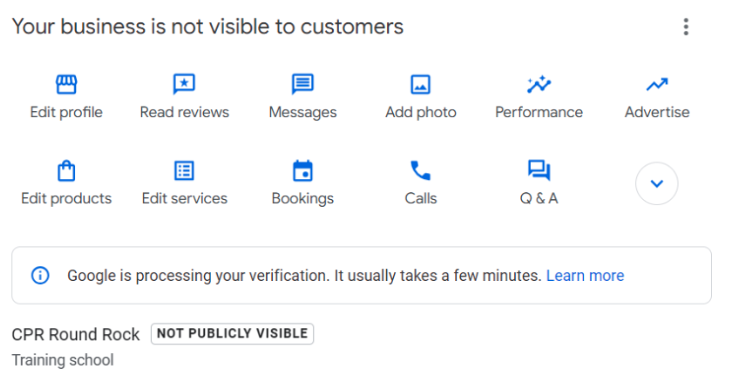
A local service business had a website but did not appear for “near me” or city-based searches. The website did not have a strong location page, the Google Business Profile was not verified, and the business details were inconsistent across online listings.
The fix involved verifying the Google Business Profile, improving location signals on the website, adding local keywords, checking business detail consistency and building relevant local citations.
How We Fix Your Business Google Business Profile
The fix started with strengthening the business’s local trust signals across Google, the website and external listings. The solution included:
-
Verifying the Google Business Profile
-
Updating the business name, address and phone number consistently
-
Selecting the correct business category
-
Adding accurate service areas
-
Improving the website’s location page
-
Adding local keywords naturally into page titles, headings and content
-
Embedding clear location and contact details on the website
-
Checking business information across online directories
-
Building relevant local citations
-
Improving internal links to the location page
-
Adding service-area content where relevant
The Expected Local SEO Result
After the local SEO improvements, Google had clearer information about the business location, service area and category relevance. This helped the website and Google Business Profile become better prepared to appear for local search terms and Google Maps-related searches.
We help Malaysian businesses strengthen their local SEO foundation so they can become easier to find on Google Search and Google Maps.
Our local SEO support may include:
-
Google Business Profile setup
-
Google Business Profile verification support from RM500
-
Local keyword research
-
Location page optimisation
-
Business detail consistency checks
-
Local citation review
-
Google Maps visibility improvement
-
Review strategy guidance
-
Local service-area content planning
This helps your business send clearer location signals to Google and improves your chance of appearing when nearby customers search for your services.
Need help getting your business found on Google Maps and local search? We can help verify your Google Business Profile, improve your local SEO signals and strengthen your location pages so nearby customers can find you more easily. Contact us on WhatsApp today or view our contact page to get started.
Case Study 2: Website With Unclear Keywords
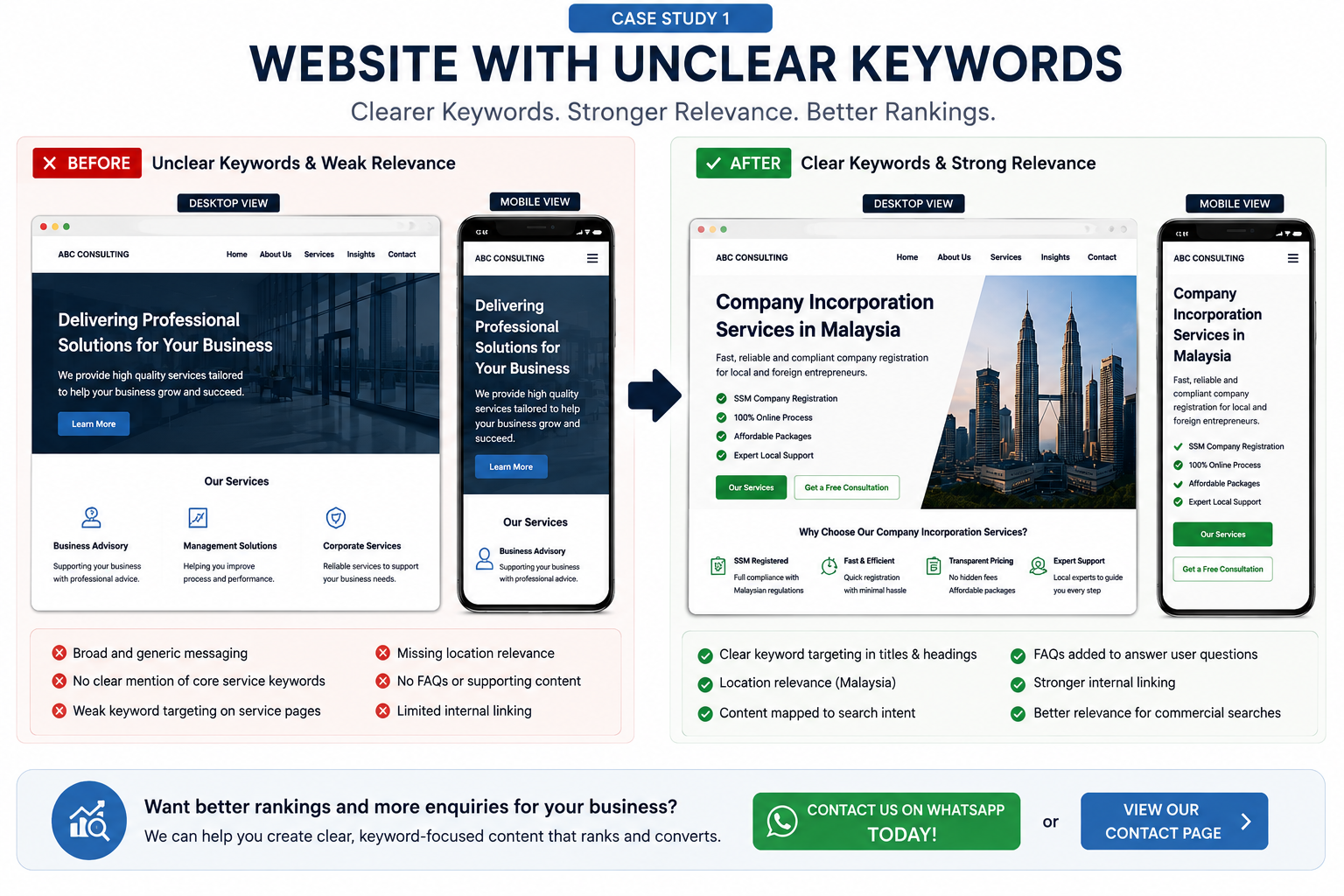
A professional service business wanted to rank for a specific service keyword in Malaysia, but its website was using broad corporate wording instead of the actual terms customers searched for. The homepage looked polished, but the service pages did not clearly mention the core service, target location or customer intent.
What We Found on the Website?
The main issue was not the website design. The problem was that Google and users did not receive enough clear signals about what the business offered.
We identified:
-
Broad and generic service wording
-
Weak keyword targeting on service pages
-
Missing Malaysia-based relevance
-
No clear FAQ section
-
Limited internal links between related pages
-
Service pages that did not fully match search intent
What We Did For Website With Unclear Keywords
We rewrote and improved the service pages with clearer keyword targeting, stronger headings and more specific service explanations. We also added location relevance, FAQ content and internal links to help Google understand the relationship between important pages.
The SEO optimisation included:
-
Rewriting service page content
-
Adding the main service keyword naturally
-
Improving H1, H2 and H3 headings
-
Adding Malaysia-based search relevance
-
Creating FAQs based on customer questions
-
Mapping content to commercial search intent
-
Strengthening internal links to key service pages
-
Improving CTA flow for enquiries
What Are the SEO Result After Optimisation?
After the SEO content improvements, the website became clearer, more relevant and easier for Google to understand. The service pages were better aligned with what customers were searching for, which improved their ability to compete for commercial keywords in Malaysia.
The result was:
-
Clearer service positioning
-
Better keyword relevance
-
Stronger search intent alignment
-
Improved page structure
-
More useful content for users
-
Better preparation for ranking growth
-
Stronger enquiry potential from service pages
Case Study 3: No Clear Content Strategy
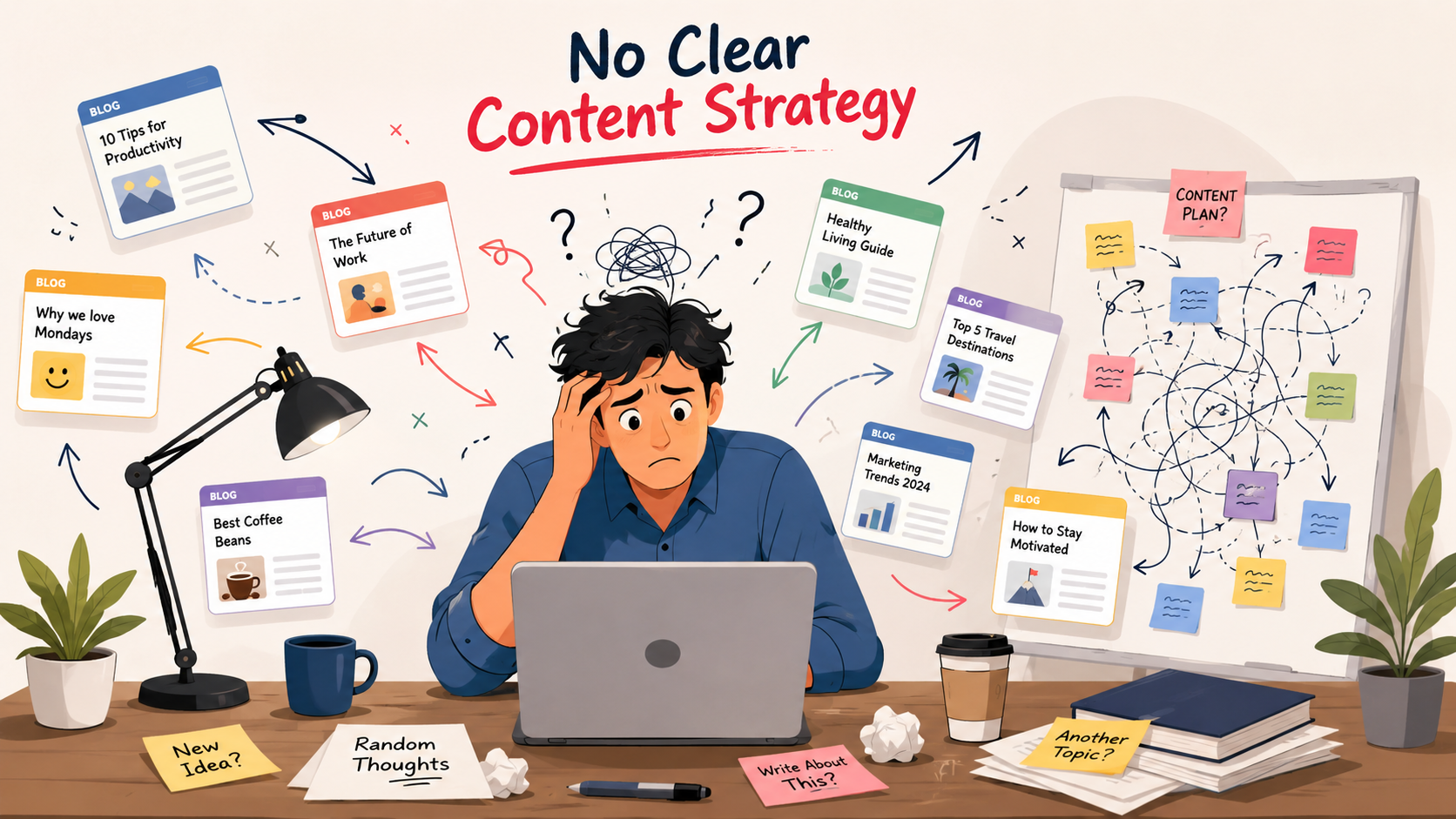
After reviewing the website and Google Search Console performance, we found that the issue was not the number of blogs published. The problem was the lack of strategy behind the content.
The main issues included:
-
Blog topics were chosen randomly without keyword mapping
-
Articles were not connected to the company’s core services
-
Important service pages had little supporting content
-
Internal links between blogs and service pages were weak
-
Several articles targeted similar topics without a clear structure
-
The website had no clear topical clusters
-
FAQ and comparison content were missing
-
Content did not match the full customer journey, from research to enquiry
The website had content, but Google did not have a clear signal about which topics the business should be trusted for. Users also had fewer paths from educational articles to commercial service pages.
SEO Solutions We Implemented For No Clear SEO Content Strategy
We rebuilt the content strategy around keyword intent, topical authority and enquiry-focused page structure. Instead of publishing more random blogs, we created a clearer content ecosystem where every article had a purpose.
For example, instead of publishing a general article like “Benefits of Digital Marketing”, the strategy shifted towards more specific content such as “How Much Does SEO Cost in Malaysia?”, “Why Your Website Isn’t Showing on Google” and “SEO Package Malaysia: What Should Be Included?”. These topics were more aligned with real customer questions and commercial search intent.
Proven Result After Conducting SEO Content Strategy
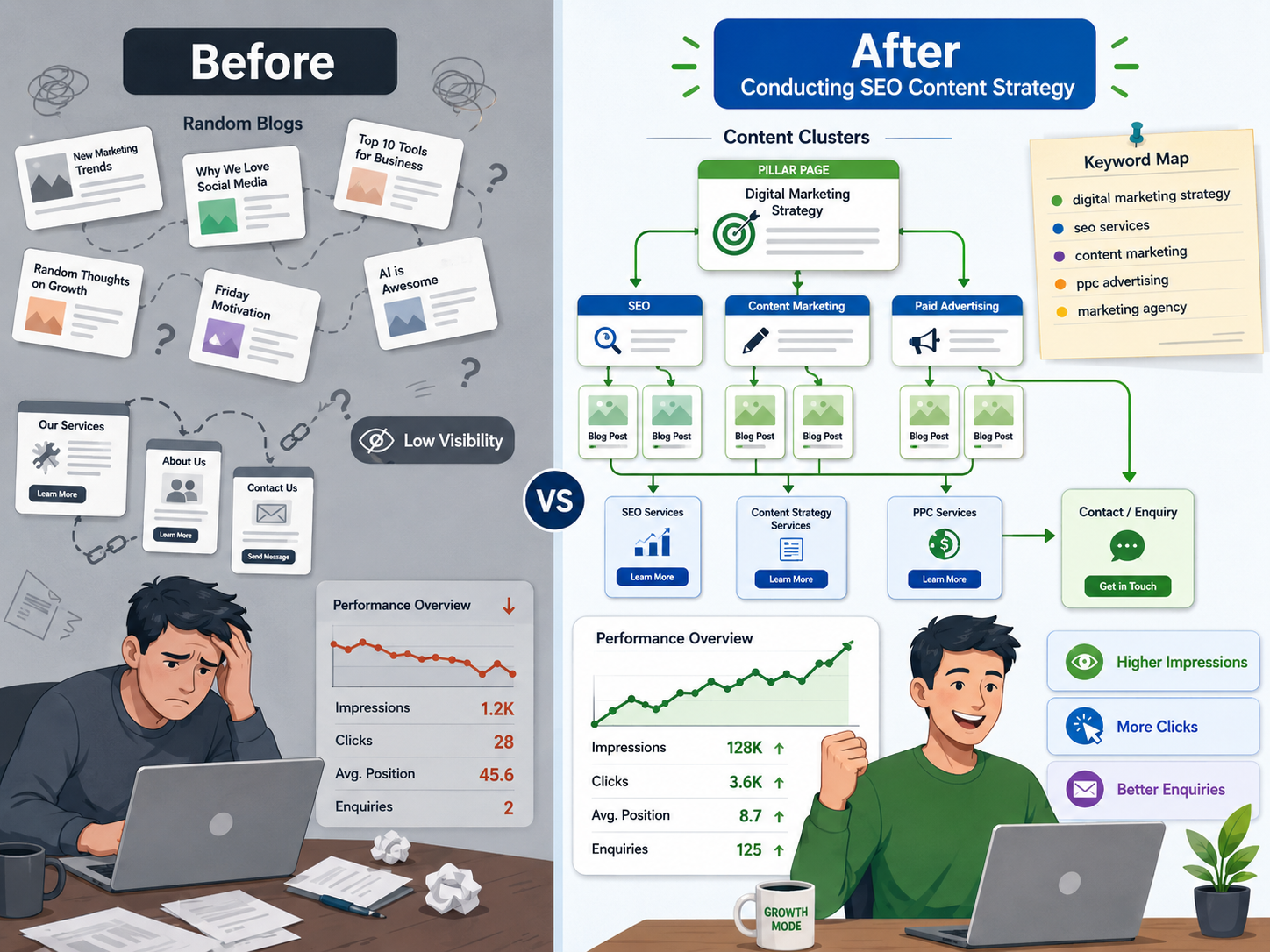
After the content strategy was restructured, the website started showing stronger visibility signals in Google Search Console. The improvement did not come from publishing more content blindly. It came from publishing the right content and connecting it properly to the main service pages.
Case Study 4: Gain Organic Traffic But Without Enquiries
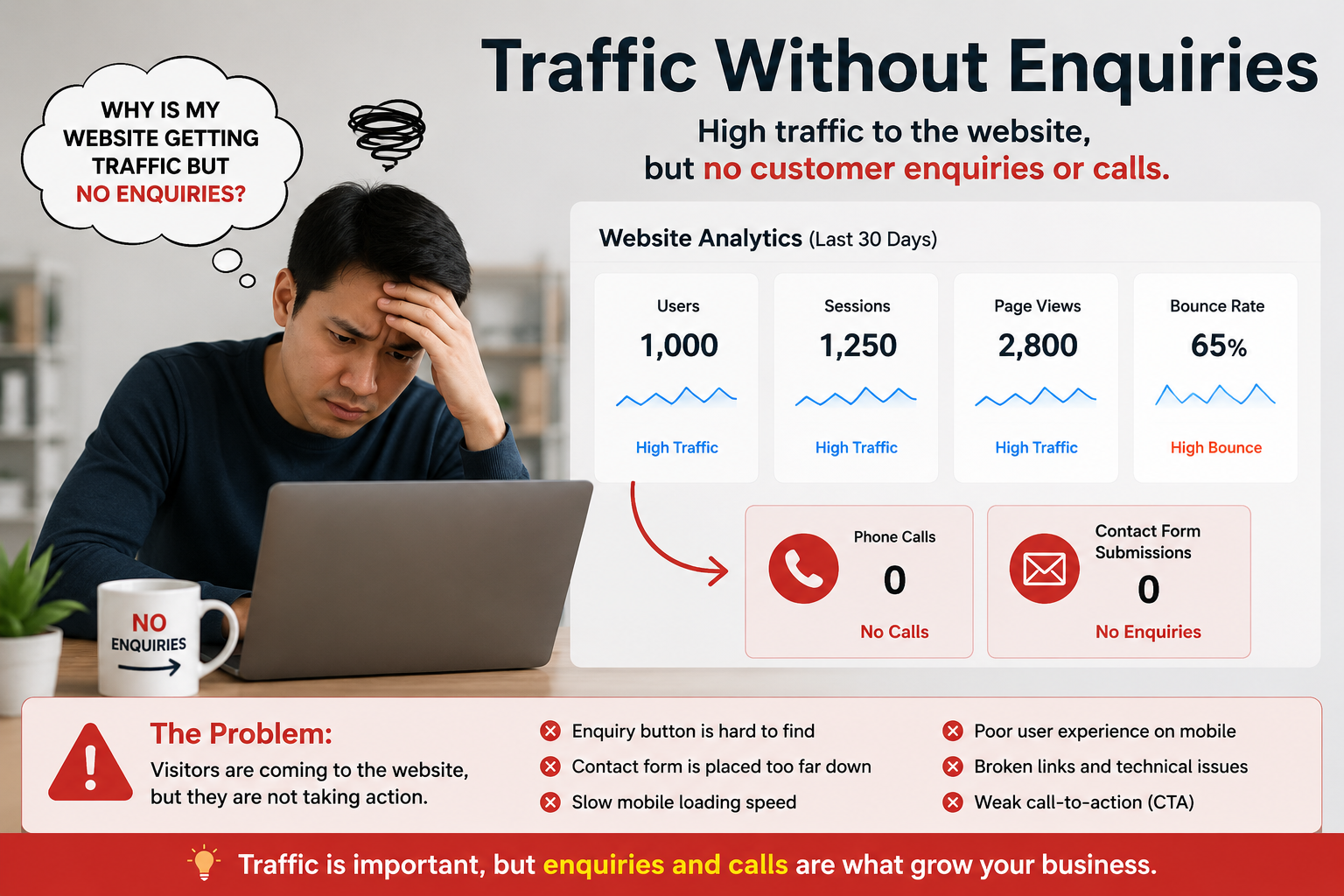
Company A was receiving organic traffic from Google, but the website generated very few enquiries. At first, the issue seemed confusing because the content was relevant and visitors were already coming in through search. However, after reviewing the website performance, user journey and enquiry points, the problem became clearer.
The website was attracting visitors, but it was not guiding them towards action.
So, what happened to the website?
The website had three main conversion problems:
-
The mobile version loaded slowly
-
The enquiry button was not visible enough
-
The contact form was placed too far down the page
-
Some internal links and buttons were broken
-
Important service pages did not have strong calls to action
-
Visitors had to scroll too much before knowing how to contact the company
This meant the website was getting traffic, but users were dropping off before submitting an enquiry.
SEO and Conversion Solution BlackRevo Implemented
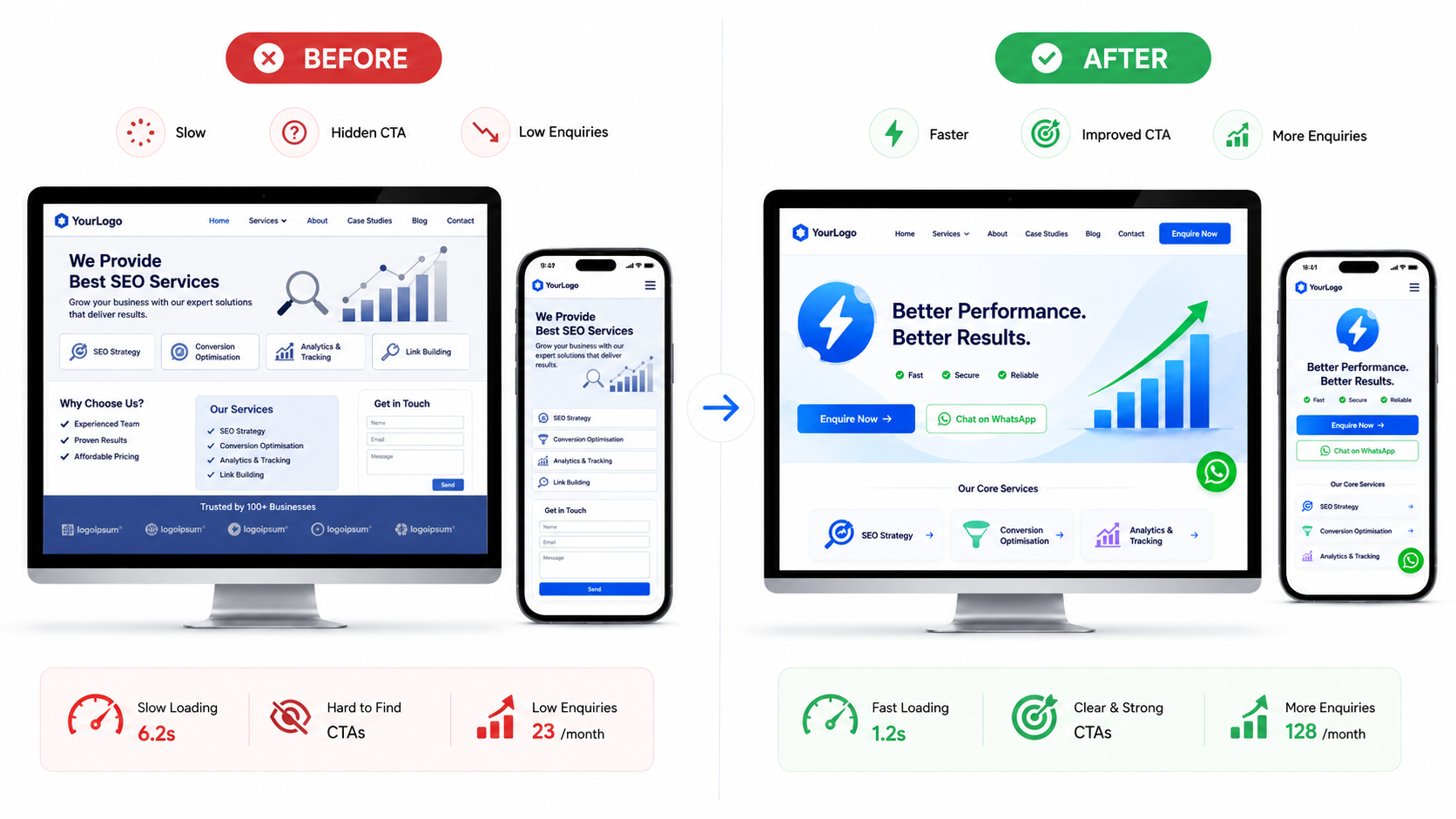
Our approach was not only to increase traffic, but to improve how existing visitors moved through the website. The goal was to turn organic traffic into measurable business actions.
The solution included:
-
Compressing large images to improve mobile loading speed
-
Improving mobile page layout for easier reading and navigation
-
Moving the main enquiry button above the fold
-
Adding clearer WhatsApp and contact form CTAs on service pages
-
Fixing broken links and inactive buttons
-
Shortening the enquiry journey
-
Repositioning the contact form closer to key service content
-
Improving internal links from blog pages to service pages
-
Reviewing service page headings and page structure
-
Setting up enquiry tracking for WhatsApp clicks and form submissions
After the website improvements were implemented, the business was able to get more value from its existing organic traffic. The key improvement was not just higher visibility, but better conversion performance from users who were already visiting the website.
Case Study 5: Your Website Is Not Ready for AI Search, AEO and GEO
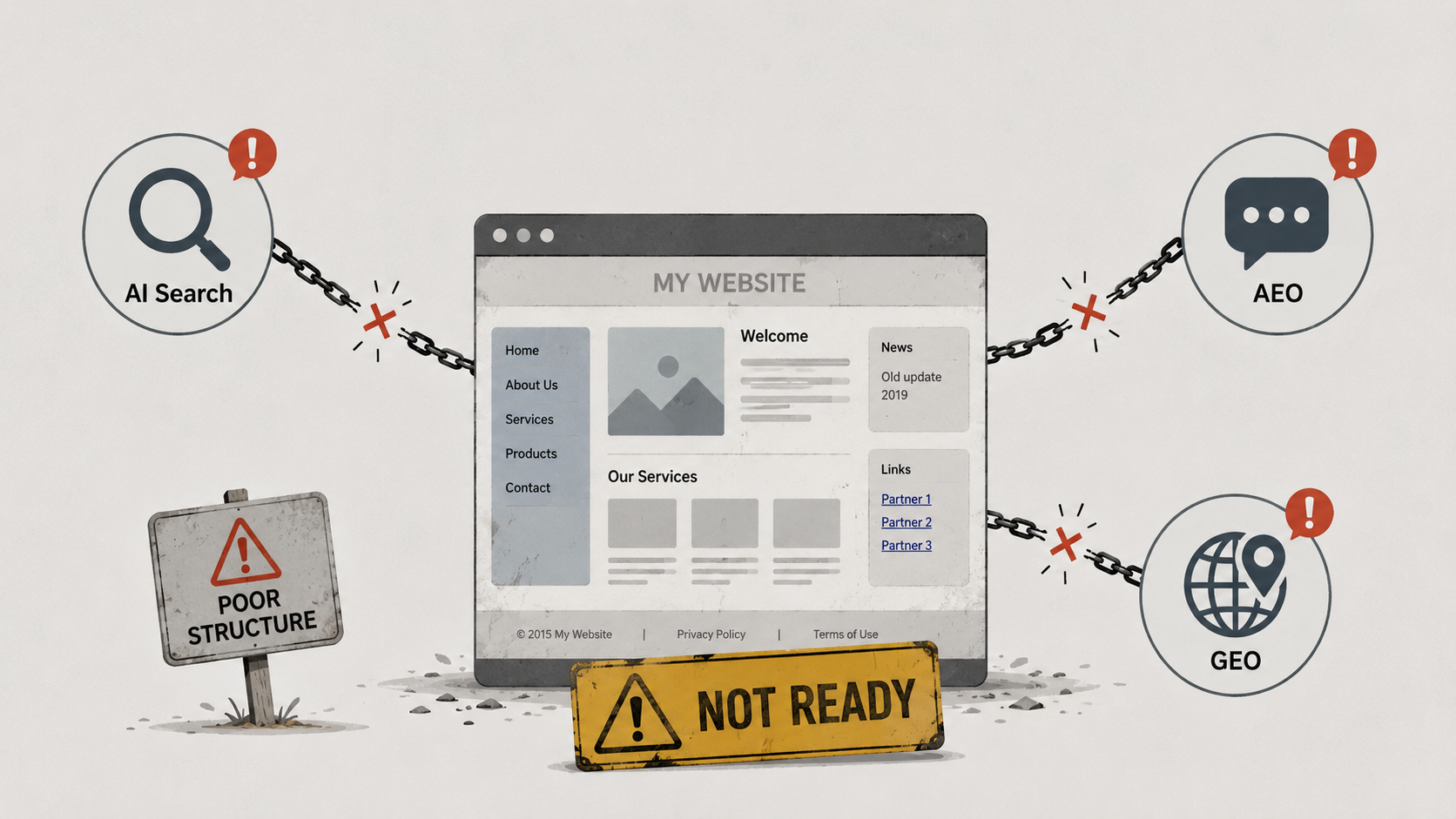
The world is changing, and search is changing with it. Users are no longer only typing short keywords into Google. They are asking longer questions, comparing options and using AI-assisted search experiences such as Gemini, ChatGPT, Grok and other AI tools to get faster answers. This means your website needs to be clear, structured and helpful enough for both Google and AI systems to understand what your business does, who you serve and why your content is relevant.
Why AI Search Changes Website Visibility
Google’s documentation now includes guidance for AI features such as AI Overviews and AI Mode from a site owner’s perspective. (Google for Developers) Google also advises website owners to focus on useful, satisfying content and good page experience for AI search success. (Google for Developers)
This means websites need clearer content, direct answers, strong topical relevance and accessible pages. Traditional SEO still matters, but it now needs to work alongside AEO and GEO.
How AEO and GEO Affect Your Business Website
AEO and GEO affect how content should be planned and structured. Your website needs:
-
Clear answers under relevant headings
-
Detailed service explanations
-
FAQ sections
-
Internal links between related pages
-
Consistent business information
-
Helpful comparison content
-
Stronger topical authority
-
Schema recommendations where suitable
AEO helps answer direct questions. GEO helps AI systems understand and summarise your brand. Both build on SEO fundamentals.
What Makes BlackRevo Different as an SEO Agency in Malaysia?
If your website is not showing on Google, the solution is not always one quick fix. The right SEO approach should look at the full foundation: indexing, technical SEO, content, search intent, local SEO, authority and conversions.
We Look at Visibility and Enquiries Together
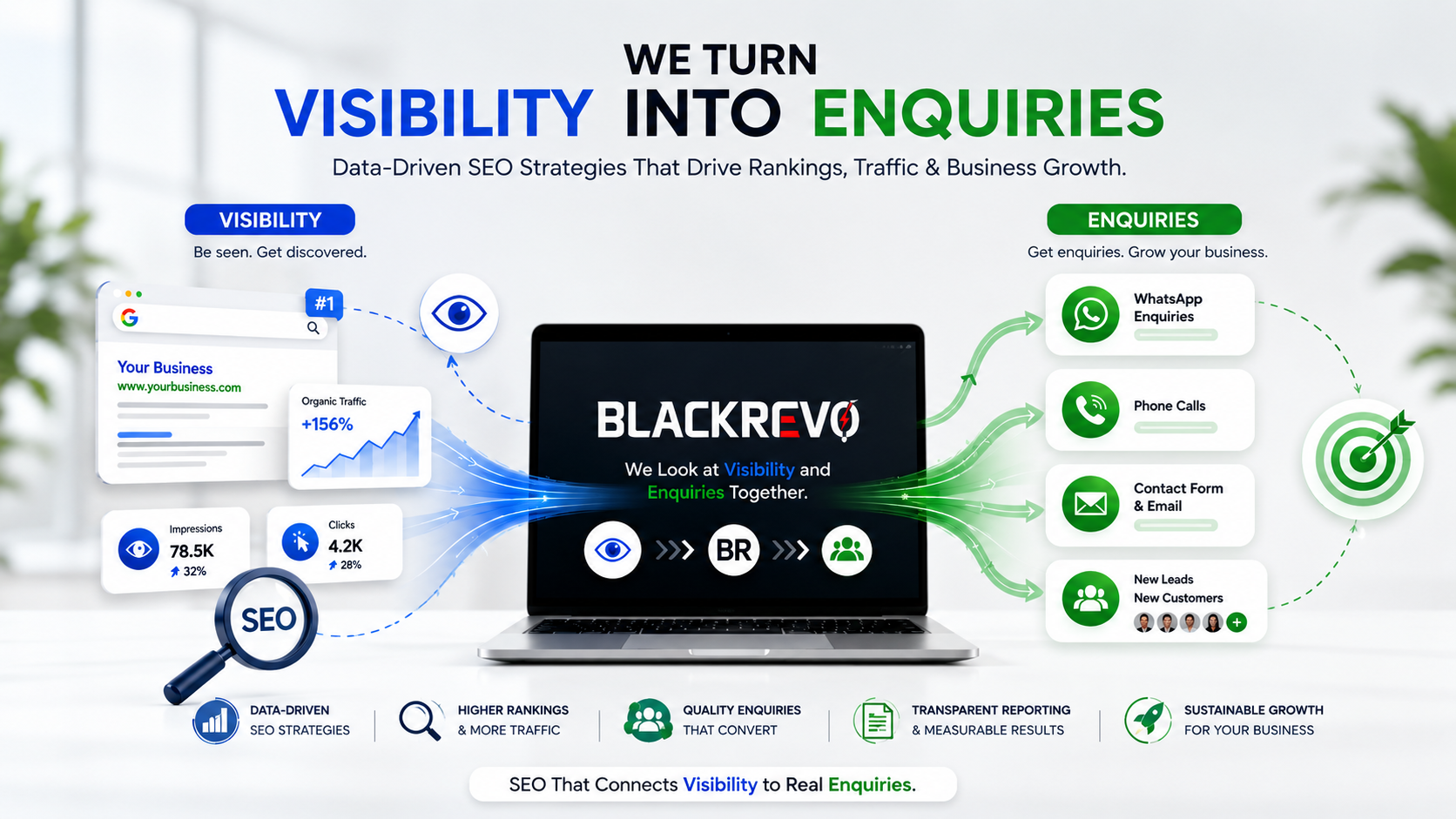
We do not only focus on ranking keywords. Rankings matter, but they should be connected to real business outcomes such as organic traffic, WhatsApp clicks, contact form submissions, phone calls and qualified enquiries.
At BlackRevo, we also look at how SEO supports your business enquiries. We review how many users click to WhatsApp, call your business, submit a form or take another meaningful action after landing on your website.
For service-based businesses, SEO should do more than bring visitors to a page. It should help the right users find the right service, understand your offer clearly and take the next step towards becoming an enquiry.
We Start With Keyword Research and Client Alignment
We have a dedicated keyword research team focused on finding the right keyword opportunities for your business. Before implementation, we propose the keyword direction to the client for review, so both sides are aligned on target keywords, search intent and priority pages. This keeps the SEO strategy focused and transparent from the beginning.
We Review Technical SEO and Can Support Fixes
A technical SEO audit checks whether Google can crawl, index and understand your website properly. This includes reviewing site speed, mobile usability, broken links, redirects, canonical tags, sitemap, robots.txt, duplicate pages, heading structure and schema opportunities.
If technical fixes are needed, BlackRevo also has an IT team that can support implementation. Additional technical support can be arranged based on the required scope.
We Build Content Around Search Intent
Our content strategy is supported by experienced SEO content writers who understand how to write for both Google and human readers.
This includes planning, writing and reviewing content around your services, target keywords, customer pain points and conversion goals. The aim is to create content that is useful, searchable and persuasive.
We Support Local SEO, Outreach and Authority Growth
We support local SEO through Google Business Profile setup, verification support from RM500, local keyword mapping, location page optimisation, local citation checks and review strategy guidance.
For competitive keywords, BlackRevo also provides outreach support as part of suitable SEO campaigns. This may include backlink opportunity research, content placement support, brand mention opportunities and competitor backlink gap review.
We Prepare Websites for Modern Search
Search is no longer only about traditional rankings. We help businesses prepare for AEO, GEO, AI search and Search Everywhere Optimisation through clearer content structure, stronger topical authority, technical SEO and user-focused service pages.
Your Website Deserves to Be Seen
If your website is not showing on Google, the issue may not be one single problem. It could be indexing, weak keyword targeting, poor content, slow performance, low authority, missing local SEO signals or a website structure that does not support enquiries.
The good news is that most of these problems can be identified and improved with a proper SEO audit and strategy.
At BlackRevo, we help Malaysian businesses improve Google visibility through technical SEO, keyword research, content strategy, on-page optimisation, local SEO, outreach, AEO, GEO and SEO-led website improvements.
If your website is not appearing on Google or not generating enough enquiries, talk to us about improving your SEO foundation and organic visibility.
Frequently Asked Questions (FAQ)
What makes BlackRevo different from other digital marketing companies in Malaysia?
BlackRevo focuses on more than just completing standard KPIs. We are committed to pushing further where possible to help businesses achieve stronger visibility, better enquiries and more meaningful long-term digital growth. Our approach combines SEO, website performance, content strategy and business-focused execution to deliver measurable results.
Where is your SEO agency located?
Our SEO marketing agency is located in Kota Damansara, Petaling Jaya, Selangor, Malaysia. We work with businesses across Malaysia as well as international clients from different industries and business sizes.
Do you offer ongoing support after the website is launched?
Yes. We provide ongoing website support, maintenance and optimisation after launch to help ensure the website remains updated, secure, functional and aligned with performance goals over time.
What if I’m not satisfied with the results?
We continuously review performance, strategy direction and improvement opportunities throughout the campaign or project period. If adjustments are needed, our team will work closely with you to improve the direction and support your business goals more effectively.